
ROHIT KUMAR KUNDU
3
Article
1717
View
5
Followers
Real-World Assets (RWA) on Blockchain: Bridging Traditional Finance and DeFi
The intersection of traditional finance and blockchain technology has given rise to one of the most promising innovations in recent years: Real-World Assets (RWA). This emerging sector is revolutionizing how we think about asset ownership, liquidity, and accessibility in the digital age.

What Are Real-World Assets?
Real-World Assets refer to tangible or traditional financial assets that are tokenized and brought onto blockchain networks. These can include:
Real estate properties
Commodities (gold, oil, silver)
Bonds and treasury bills
Equities and stocks
Fine art and collectibles
Invoices and receivables
Intellectual property rights
By tokenizing these assets, we create digital representations that can be traded, transferred, and managed on blockchain platforms with unprecedented efficiency.
Why RWA Matters
The tokenization of real-world assets addresses several fundamental challenges in traditional finance:
Illiquidity Problem: Traditional assets often require significant time and resources to buy or sell. A commercial property might take months to liquidate, and selling fractional ownership is nearly impossible.
High Barriers to Entry: Premium asset classes like commercial real estate or fine art are typically accessible only to wealthy investors or institutions, with minimum investments often exceeding hundreds of thousands of dollars.
Inefficient Processes: The processes involved in transferring ownership are often opaque, slow, and expensive, involving multiple intermediaries like brokers, lawyers, and clearing houses.
RWA tokenization solves these problems by:
✅ Enabling fractional ownership — allowing investors to purchase small portions of high-value assets
✅ Providing 24/7 trading capabilities on global markets
✅ Reducing intermediaries and associated costs
✅ Offering transparent, immutable ownership records on the blockchain
✅ Unlocking liquidity in traditionally illiquid markets
How RWA Tokenization Works

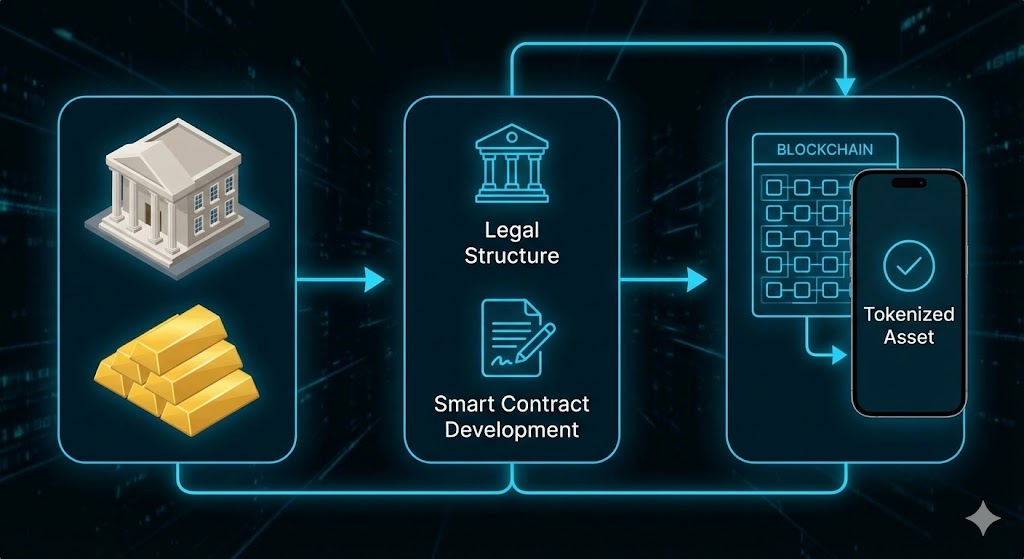
The tokenization process involves several key steps:
1. Asset Identification & Valuation
An asset is identified and valued through professional appraisal. This could be a building worth $10 million, a collection of invoices, or a pool of treasury bonds.
2. Legal Structure
Legal frameworks are established to ensure compliance with regulations and protect token holders' rights. This often involves creating a Special Purpose Vehicle (SPV) that legally owns the asset.
3. Smart Contract Development
Smart contracts are created to represent ownership and manage asset operations, including token minting, transfers, dividend distribution, and compliance checks.
4. Token Issuance
Tokens are issued on a blockchain platform, with each token representing a specific share of the underlying asset. For example, a
5. Secondary Market Trading
Once issued, these tokens can be traded on secondary markets or held for yield generation, providing liquidity that didn't exist before.
Popular RWA Use Cases
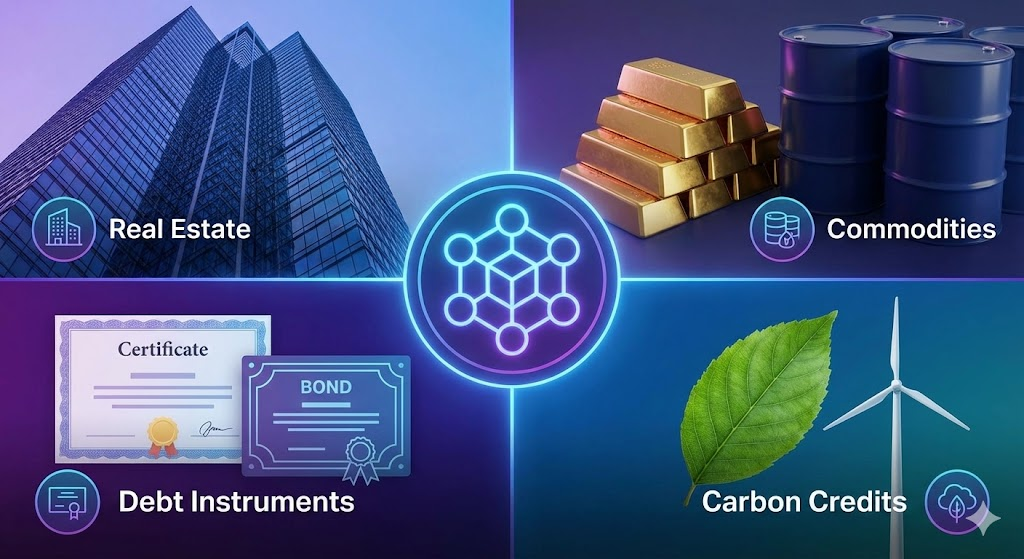
🏢 Real Estate Tokenization
Property owners can fractionalize buildings and land, enabling global investors to participate in real estate markets without massive capital requirements. Platforms like RealT and Propy are pioneering this space, allowing investors to own portions of properties and receive rental income proportional to their holdings.
🪙 Commodity-Backed Tokens
Physical assets such as gold (PAX Gold), silver, or oil are represented as tokens, providing easier storage and transfer compared to physical commodities. Each token is backed by actual physical gold stored in secure vaults.
📊 Tokenized Debt Instruments
Treasury bonds and corporate debt are being tokenized to improve efficiency in fixed-income markets. Projects like Ondo Finance and Maple Finance are leading the way, offering institutional-grade credit products on-chain.
🌱 Carbon Credits
Carbon credits and renewable energy certificates are being brought on-chain to create transparent, tradable environmental assets, helping companies meet sustainability goals more efficiently.
Technical Architecture of RWA Protocols
RWA platforms typically employ a multi-layered architecture:
Asset Layer: The physical or traditional financial asset being tokenized
Legal Layer: Special Purpose Vehicles (SPVs) and legal wrappers that connect the digital token to real-world legal rights
Blockchain Layer: Smart contracts that manage token issuance, transfers, and compliance (often using standards like ERC-20, ERC-721, or ERC-3643 for security tokens)
Oracle Layer: Real-world data feeds for asset valuation and verification (using services like Chainlink)
Application Layer: User interfaces and marketplaces where tokens can be traded

Challenges and Considerations
Despite its promise, RWA tokenization faces several challenges:
Regulatory Compliance: Complex and varies by jurisdiction, requiring careful navigation of securities laws. What's legal in one country may not be in another.
Legal Enforceability: Questions around how token ownership translates to legal ownership of the underlying asset, especially in bankruptcy scenarios.
Oracle Reliability: Accurate and timely data from the real world is essential for proper asset valuation. Who verifies that the gold vault actually contains the gold?
Custody Solutions: Robust systems needed for managing both digital tokens and physical assets.
Market Adoption: Requires education and infrastructure development before widespread acceptance by traditional financial institutions and retail investors.
The Future of RWA
The RWA sector is experiencing exponential growth. According to various industry reports, tokenized assets could reach $16 trillion by 2030. Major financial institutions including BlackRock, JPMorgan, and Franklin Templeton are actively exploring and implementing RWA solutions.
BlackRock's BUIDL fund, launched in 2024, has become one of the largest tokenized treasury funds, demonstrating institutional appetite for on-chain real-world assets.
What's Next?
As regulatory frameworks mature and technology improves, we can expect:
Increased integration of traditional finance with DeFi protocols
Expansion into new asset classes (intellectual property, music royalties, sports contracts)
Improved infrastructure for custody and compliance
Greater institutional participation and standardization
Cross-chain interoperability for RWA tokens
Getting Started with RWA Development
For developers interested in building in the RWA space:
🔧 Explore Blockchain Platforms: Study popular platforms like Ethereum, Polygon, or specialized networks like Polymesh designed for security tokens.
📚 Learn Token Standards: Understand ERC-3643 (T-REX) and other standards specific to regulated assets that include built-in compliance features.
⚖️ Study Regulations: Familiarize yourself with legal and regulatory requirements in your target markets, including securities laws and KYC/AML requirements.
🔍 Analyze Existing Protocols: Study projects like Centrifuge (tokenizing real-world assets like invoices), Goldfinch (decentralized credit protocol), or Maple (institutional capital markets) to understand different approaches.
🛠️ Build with Compliance: Incorporate features like transfer restrictions, investor accreditation checks, and automated regulatory reporting into your smart contracts.

Conclusion
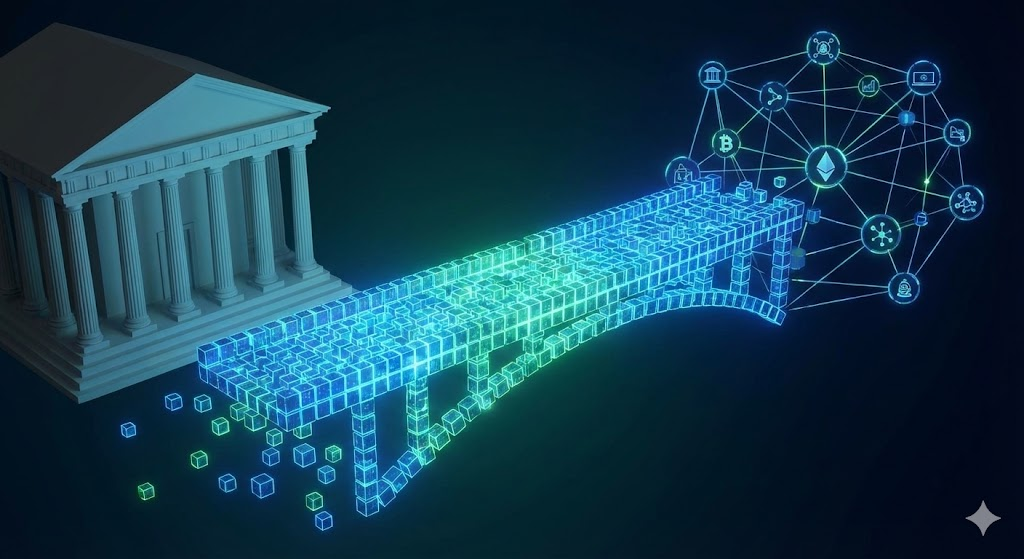
Real-World Assets represent a fundamental bridge between traditional finance and blockchain technology. By bringing trillions of dollars of real-world assets on-chain, we're creating more efficient, accessible, and transparent financial markets.
For builders and developers, the RWA sector offers immense opportunities to create solutions that will shape the future of finance. Whether you're interested in smart contract development, legal tech, or creating new financial primitives, RWA provides a rich landscape for innovation.
The question isn't whether RWA will transform finance, but how quickly it will happen. As a builder in this space, you have the opportunity to be at the forefront of this revolution, creating the infrastructure and applications that will define the next generation of financial markets.
Ready to dive deeper into blockchain development? Join the HackQuest community to learn, build, and connect with fellow developers shaping the future of Web3.
What RWA use case excites you most? Share your thoughts in the comments below! 💭
#Blockchain #RWA #DeFi #Web3 #Tokenization #RealWorldAssets #Crypto #SmartContracts #FinTech